Find the best compression sock materials for comfort and support. Get a custom sample today! The Ultimate Compression Socks Materials Guid...
Find the best compression sock materials for comfort and support. Get a custom sample today!
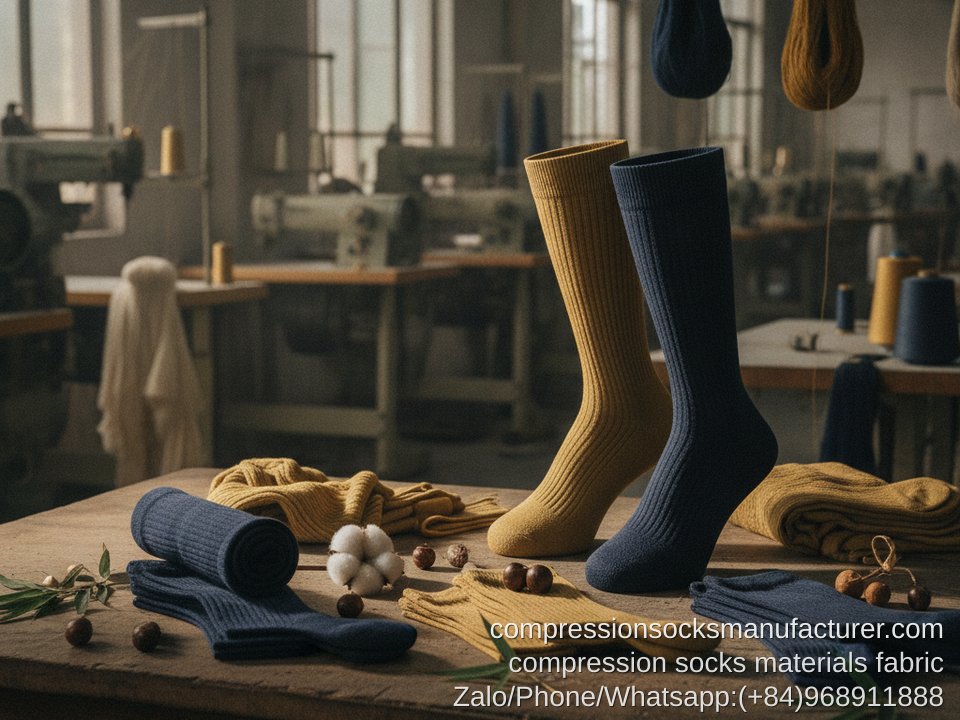
The Ultimate Compression Socks Materials Guide: Cotton, Bamboo, Merino Wool & Synthetic Blends
Selecting the right compression socks materials fabric is paramount for brands and buyers seeking to offer high-performance, comfortable, and durable products. As a leading socks manufacturer in Vietnam, we understand that the choice of material directly impacts the wearer's experience, from breathability and moisture-wicking to durability and therapeutic effectiveness. This comprehensive guide explores the most common and effective materials used in compression sock manufacturing, helping you make an informed decision for your next production run.
At Compression Socks Manufacturer, operated by Gold Garment, we pride ourselves on our ability to work with a wide array of materials to meet diverse client needs. Our factory in Ho Chi Minh City is equipped to handle OEM, ODM, and private label orders, with a competitive MOQ of 100 pieces. We serve clients globally, offering factory-direct pricing and worldwide shipping for all your sock manufacturing requirements. Our commitment to quality extends to every fiber we use, ensuring your end product is superior.
The foundation of any effective compression sock lies in its material composition. Different fibers offer unique properties that cater to specific applications, whether for athletic performance, medical recovery, or everyday comfort. Understanding these differences is crucial for sourcing managers and brand owners aiming to create a product that resonates with their target market. This detailed exploration will equip you with the knowledge to choose wisely.
Our expertise in producing high-quality apparel, including advanced athletic wear, is well-documented. For instance, a detailed guide to Vietnam athletic wear OEM showcases our capabilities in crafting performance-oriented garments. This same meticulous approach is applied to our compression sock production, ensuring every stitch and material choice contributes to optimal functionality and comfort.
Understanding Compression Sock Fabric Properties
The effectiveness and comfort of compression socks are intrinsically linked to the properties of their constituent materials. Key factors to consider include:
- Breathability: The ability of the fabric to allow air to pass through, keeping feet cool and dry.
- Moisture-Wicking: How well the material draws sweat away from the skin to the outer surface of the fabric for evaporation.
- Durability: The material's resistance to wear and tear, ensuring longevity and sustained compression.
- Softness & Comfort: The feel of the fabric against the skin, crucial for extended wear.
- Elasticity & Recovery: The ability of the material to stretch and return to its original shape, essential for maintaining compression levels.
- Odor Resistance: Natural or engineered properties that inhibit the growth of odor-causing bacteria.
Cotton Compression Socks
Cotton is one of the most widely used natural fibers in apparel, known for its softness, breathability, and comfort. When used in compression socks, it offers a familiar and pleasant feel against the skin.
Pros:
- Soft and Comfortable: Provides a gentle feel, ideal for everyday wear and individuals with sensitive skin.
- Breathable: Allows for good air circulation, helping to keep feet cool.
- Hypoallergenic: Generally well-tolerated by most skin types.
Cons:
- Moisture Retention: Cotton tends to absorb and hold moisture, which can lead to dampness and discomfort during intense physical activity or in humid conditions. This can also compromise the effectiveness of compression if the sock becomes saturated.
- Less Durable Compression: Pure cotton can lose its elasticity over time, diminishing its compression capabilities.
- Slower Drying: Takes longer to dry compared to synthetic or wool blends.
For brands looking for a comfortable, everyday option, partnering with a reliable cotton socks manufacturer is key. At Compression Socks Manufacturer, we can blend cotton with elastic fibers to enhance its performance characteristics while retaining its inherent comfort.
Bamboo Compression Socks
Bamboo fabric, derived from the bamboo plant, has gained popularity for its eco-friendly origins and impressive properties. It offers a silky-smooth texture and notable benefits for compression socks.
Pros:
- Soft and Silky: Offers a luxurious feel that is exceptionally smooth against the skin.
- Moisture-Wicking: Bamboo fibers are highly absorbent and wick moisture away from the skin effectively.
- Breathable: Promotes airflow, keeping feet comfortable and dry.
- Naturally Odor-Resistant: Possesses natural antibacterial properties that help to reduce odor.
- Hypoallergenic: Suitable for sensitive skin.
Cons:
- Durability Concerns: While soft, some bamboo fabrics can be less durable than other options if not blended appropriately or if the manufacturing process is not optimized.
- Cost: Can sometimes be more expensive than cotton or certain synthetic blends.
As a leading bamboo socks OEM provider, we ensure our bamboo blends are engineered for optimal performance, balancing softness with the durability and compression required for effective socks. We understand the nuances of working with this versatile fiber.
Merino Wool Compression Socks
Merino wool is a premium natural fiber known for its exceptional performance in various conditions. It is finer and softer than traditional wool, making it comfortable for direct skin contact.
Pros:
- Excellent Temperature Regulation: Keeps feet warm in cold weather and cool in warm weather by managing moisture effectively.
- Superior Moisture-Wicking: Merino wool can absorb a significant amount of moisture vapor before the fabric feels wet.
- Natural Odor Resistance: Highly effective at inhibiting bacterial growth, keeping feet fresh for longer.
- Soft and Comfortable: Unlike coarser wools, Merino is fine and soft, reducing itchiness.
- Durable: Offers good resilience and can withstand regular wear.
Cons:
- Cost: Generally one of the more expensive fiber options.
- Care Instructions: May require more specific care to maintain its properties and prevent shrinkage.
For brands seeking premium quality, our capabilities as a merino wool socks supplier are unparalleled. We expertly blend Merino wool with elastic fibers to create compression socks that offer supreme comfort, performance, and therapeutic benefits, ideal for outdoor enthusiasts and medical applications.
Synthetic Blends (Nylon, Spandex/Elastane, Polyester)
Synthetic fibers are the backbone of modern compression socks, providing the essential stretch, durability, and performance characteristics required for effective compression. They are often blended with natural fibers to enhance specific properties.
Nylon:
- Durability: Highly resistant to abrasion and wear, making it ideal for high-traffic areas of the sock.
- Elasticity: Contributes to the sock's ability to stretch and maintain its shape.
- Smoothness: Provides a smooth feel and helps with moisture management by transporting it away from the skin.
Spandex/Elastane:
- Stretch and Recovery: This is the primary fiber responsible for the compression effect. It offers excellent stretch and the ability to return to its original form, ensuring consistent graduated compression.
- Comfort: Allows the sock to conform to the leg's shape without feeling restrictive.
Polyester:
- Moisture-Wicking: Polyester is excellent at drawing moisture away from the skin, promoting quick drying.
- Durability: Resists stretching and shrinking, maintaining the sock's shape and fit.
- Colorfastness: Holds dye well, ensuring vibrant colors that last.
Pros of Blends:
- Optimized Performance: Blending allows for the creation of fabrics with a perfect balance of breathability, moisture-wicking, durability, and compression.
- Customization: The ratio of synthetic fibers can be adjusted to meet specific performance requirements.
- Cost-Effectiveness: Often more economical than 100% natural premium fibers.
Cons of Blends:
- Potential for Less Breathability: Some high-performance synthetics might be less breathable than natural fibers if not engineered correctly.
- Environmental Impact: Production of synthetic fibers can have a higher environmental footprint, though advancements in recycled synthetics are addressing this.
Our expertise lies in creating sophisticated blends that maximize the benefits of each fiber. Whether you're looking for a high-performance athletic sock or a comfortable everyday option, we can tailor the material composition to your exact specifications. Learn more about our comprehensive OEM and private label services in our compression socks: Complete OEM & Private Label Buyer's Guide.
Choosing the Right Material for Your Brand
The ideal material choice depends on your target market and the intended use of the compression socks. Consider the following:
- Athletic Performance: Blends of nylon, polyester, and spandex are often preferred for their moisture-wicking, durability, and high compression capabilities. Merino wool is also an excellent choice for its temperature regulation and odor resistance during extended activities.
- Medical and Recovery: Medical-grade compression socks often utilize advanced synthetic blends designed for precise graduated compression and breathability, ensuring comfort during long periods of wear.
- Everyday Comfort: For general wellness and casual wear, cotton or bamboo blends offer superior softness and breathability, providing mild compression benefits.
- Sensitive Skin: Natural fibers like cotton and bamboo, or hypoallergenic synthetic blends, are best suited for individuals with sensitive skin.
Our team at Compression Socks Manufacturer is dedicated to helping you navigate these choices. We can provide samples and expert advice to ensure your product meets the highest standards. Understanding the manufacturing process is also key, as detailed in our guide on How compression socks Are Made: The Manufacturing Process Step-by-Step.
We work with brands worldwide, offering a streamlined production process from design to delivery. Our ten years of experience in socks manufacturing, coupled with our commitment to quality and competitive factory-direct pricing, makes us an ideal partner. We also offer a wide range of Sock Types Guide: Crew, Ankle, Knee-High, Compression & Athletic Explained, ensuring you can diversify your product line.
A real example of our extensive manufacturing capabilities can be seen in the case studies from our parent company, Gold Garment. As demonstrated by Vietnam sportswear factory Gold Garment, we excel in producing high-quality apparel that meets international standards. This same dedication to excellence is reflected in every pair of compression socks we produce.
Frequently Asked Questions
Q: What is the best material for everyday compression socks?
A: For everyday wear, blends of cotton and spandex offer a good balance of comfort, breathability, and mild compression. Bamboo blends are also an excellent choice, providing superior softness, moisture-wicking, and odor resistance.
Q: Can wool be used for compression socks?
A: Yes, specifically Merino wool is highly recommended. It's soft, breathable, excellent at temperature regulation, moisture-wicking, and naturally odor-resistant, making it a premium choice for performance and comfort.
Q: How does the material affect the compression level?
A: The primary component responsible for compression is the elastic fiber, such as Spandex or Elastane. The type and percentage of other materials (like nylon, cotton, or wool) influence the fabric's overall stretch, recovery, durability, and how well it holds the intended compression over time and with wear.
Q: What is the minimum order quantity for custom compression socks?
A: Our standard MOQ for custom compression socks is 100 pieces per style and color. This allows flexibility for smaller brands and new product launches, as detailed in our guide on Minimum Order Quantity for compression socks: A Buyer's Complete Guide. We also offer guidance on choosing between OEM vs Private Label compression socks: Which Manufacturing Model Is Right for You?
By understanding these material properties, you can make informed decisions that align with your brand's values and product goals. Brands also partner with a Vietnam sweatshirt manufacturer for complementary apparel, showcasing the breadth of manufacturing expertise available.
Partner with Compression Socks Manufacturer for your next production run and experience the difference quality materials and expert craftsmanship make.
📩 Request a Free Quote — Response Within 5 Minutes
🌎 Website: compressionsocksmanufacturer.com
Factory-direct pricing · MOQ from 100 pcs/style · Sample development · Worldwide shipping


